

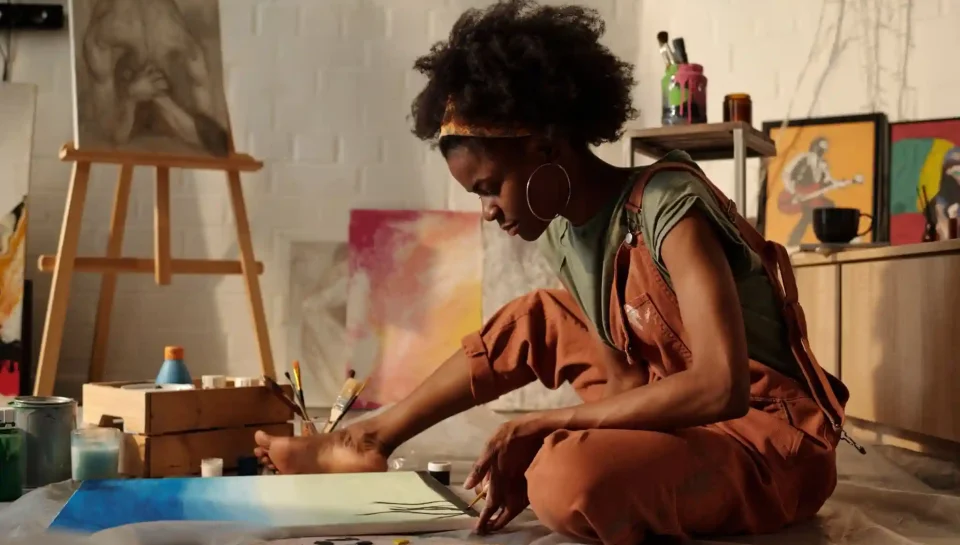
The term emerging artist is used frequently in the art world, but what does it actually mean? While the phrase may sound straightforward, it carries specific implications within the creative, commercial, and cultural landscape of contemporary art. Emerging artists represent new talent, creators who are early in their careers yet demonstrate exceptional potential, originality, and growth. They often produce work that challenges conventions, reflects current social issues, and introduces innovative ideas to the art world.
Today, emerging artists play an increasingly significant role in shaping artistic movements, influencing collectors, and redefining how art is consumed and valued. As galleries, institutions, and digital platforms continue to expand globally, emerging artists have more opportunities than ever to showcase their talent and connect with audiences. At the same time, the market for emerging art has grown rapidly, with collectors seeking not just investment potential but also fresh perspectives.
This guide explores what defines an emerging artist, how the art industry identifies promising talent, and the contemporary market trends that influence the trajectory of rising creatives. Whether you’re an art student, collector, or curious observer, understanding emerging artists provides insight into the future of art itself.
What Is an Emerging Artist? A Clear Definition
Although there is no universal definition, most art professionals share similar criteria for identifying emerging artists. Generally, an emerging artist is someone who:
1. Is early in their professional art career
Usually 1–10 years into actively creating and exhibiting work.
2. Has not yet achieved mainstream recognition
They may have local or regional visibility but are not widely known internationally.
3. Shows strong potential for long-term growth
Critics, curators, and collectors see promise in their skill, ideas, or creative direction.
4. Has limited but meaningful exhibition experience
This may include student exhibitions, group shows, solo exhibitions, or participation in art fairs.
5. Demonstrates a unique artistic voice
Their work contains identifiable themes, techniques, or perspectives.
Emerging artists differ from mid-career or established artists, who have extensive exhibition histories, gallery representation, and larger collector bases. Yet emerging artists are often the most exciting, unpredictable, and dynamic creatives in the field.
Characteristics That Define Emerging Artists
While each artist is unique, emerging artists often share several traits that place them in this category.
1. Developing Artistic Identity
Emerging artists are still refining their style, experimenting with materials, and defining their thematic focus. Their creativity is often bold, exploratory, and unrestrained by commercial expectations.
2. Limited Market Presence
Their artworks may not yet be featured in major auctions or collected by top museums, but their audience is steadily growing.
3. Increasing Recognition
Emerging artists often start gaining traction through:
- Local gallery shows
- Awards or grants
- Press features
- Social media exposure
- Artist residencies
Recognition at this stage is usually grassroots but meaningful.
4. Accessible Price Points
Art from emerging artists is generally more affordable, making it appealing to new collectors who want to invest in rising talent before prices increase.
5. Flexible and Experimental Practice
Emerging artists often explore multiple mediums—painting, sculpture, digital art, installation, or mixed media, challenging traditional limits.
How Emerging Artists Gain Recognition
Recognition is rarely instant. Instead, emerging artists typically grow through layers of exposure and support.
1. Gallery Representation
Small and mid-size galleries play a crucial role by curating exhibitions, promoting artists, and connecting them with collectors.
2. Artist Residencies
Residencies provide opportunities for experimentation, mentorship, and professional development.
3. Grants and Fellowships
Awards help emerging artists fund their practice while building credibility.
4. Press and Media Coverage
Features in art magazines, online publications, or social media channels help artists reach wider audiences.
5. Collector Support
Collectors who invest early help drive demand and visibility for emerging artists.
6. Social Media Platforms
Instagram, TikTok, and online galleries have become major launchpads for new talent, allowing artists to bypass traditional gatekeepers.
Contemporary Market Trends Shaping Emerging Artists
The emerging artist market has changed dramatically over the past decade. Several key trends influence how rising artists gain visibility, value, and long-term potential.
Trend 1: The Rise of Digital Art and Online Visibility
Digital platforms allow emerging artists to reach global audiences regardless of location.
Key shifts:
- Online art marketplaces are growing
- Artists sell directly to collectors
- Social media acts as a portfolio
- Digital art and NFTs create new markets
- Virtual exhibitions expand access
Artists with strong online presence often gain recognition faster than those relying solely on galleries.
Trend 2: Growing Demand for Diverse Voices
Collectors, museums, and cultural institutions are prioritizing underrepresented artists.
This includes:
- Women artists
- Artists of color
- Indigenous creators
- LGBTQ+ artists
- International artists outside major art capitals
Diverse perspectives enrich the global art conversation and open opportunities for emerging talent.
Trend 3: Increased Interest in Sustainable and Ethical Art
Contemporary buyers value artists who focus on sustainability, social issues, and ethical production.
Emerging artists leading this movement gain cultural relevance and marketplace traction.
Trend 4: Cross-Disciplinary Art Is Thriving
Artists who combine mediums, such as painting with digital design or sculpture with sound, are becoming more visible.
Collectors appreciate innovation and hybrid creativity.
Trend 5: Early-Stage Investments Are Rising
More collectors are turning to emerging art as a strategic investment.
Reasons include:
- Lower entry cost
- Higher growth potential
- Opportunity to shape an artist’s journey
This has expanded the market for early-career work.
Trend 6: Local Art Scenes Are Becoming Global
Artists from smaller regions can now achieve international visibility through digital tools and global art fairs.
Local does not mean limited, emerging artists can rise from anywhere.
Trend 7: Personal Branding Matters More Than Ever
Artists who understand marketing, storytelling, and audience engagement often gain traction quickly.
Effective branding, through websites, newsletters, and social media, helps emerging artists build lasting careers.
What Collectors Look for in Emerging Artists
Collectors who focus on rising talent use both intuition and analysis to identify promising work.
Key factors include:
1. Originality
Does the artist bring something new to the art world?
2. Consistency
Is their body of work coherent and evolving?
3. Craftsmanship
Do they demonstrate strong technical skill?
4. Conceptual Depth
Does the work have meaning, message, or emotional resonance?
5. Professional Growth
Is the artist actively exhibiting, collaborating, or expanding their practice?
Collectors pay attention to artists whose careers show upward momentum.
Challenges Emerging Artists Face
The journey from emerging to established is not easy. Artists often encounter:
1. Financial instability
Art supplies, studio space, and marketing costs are high.
2. Limited exposure
Competition is steep, and visibility requires effort.
3. High industry pressure
Artists must balance creativity with self-promotion.
4. Navigating inconsistent markets
Art pricing fluctuates, making growth unpredictable.
Despite these challenges, persistence, authenticity, and strategic exposure help emerging artists succeed.
How to Support Emerging Artists
You don’t need to be a collector to help emerging artists thrive. Support includes:
– Attending their exhibitions
– Sharing their work online
– Buying small works or prints
– Commissioning custom pieces
– Featuring them in blogs or newsletters
– Encouraging others to discover them
Every action helps build visibility and strengthens creative communities.
Frequently Asked Questions
1: How is an emerging artist different from a mid-career artist?
An emerging artist is in the early stages of their career, usually with limited exhibitions and growing recognition. A mid-career artist has a more established presence, consistent gallery representation, and a developed body of work exhibited across multiple venues.
2: How long does an artist typically remain “emerging”?
There is no exact timeline. Some artists gain recognition quickly within a few years, while others remain emerging for a decade or more. Progress depends on exhibitions, awards, public reception, gallery support, and the artist’s personal development.
Final Thoughts
Emerging artists represent some of the most exciting and innovative voices in contemporary art. While they may not yet have widespread recognition, their creativity, originality, and potential make them valuable contributors to the evolving art world. Understanding the definition of emerging artists, and the trends shaping their rise, helps collectors, enthusiasts, and students appreciate the cultural importance of rising talent.
As digital platforms expand opportunities and diverse voices reshape artistic narratives, the future of emerging art is more dynamic and accessible than ever. Supporting these artists not only fuels creative innovation but also gives you a front-row seat to the evolution of art in real time. When you invest in emerging talent, whether financially, socially, or creatively, you become part of their story and contribute to shaping the next generation of influential artists.