


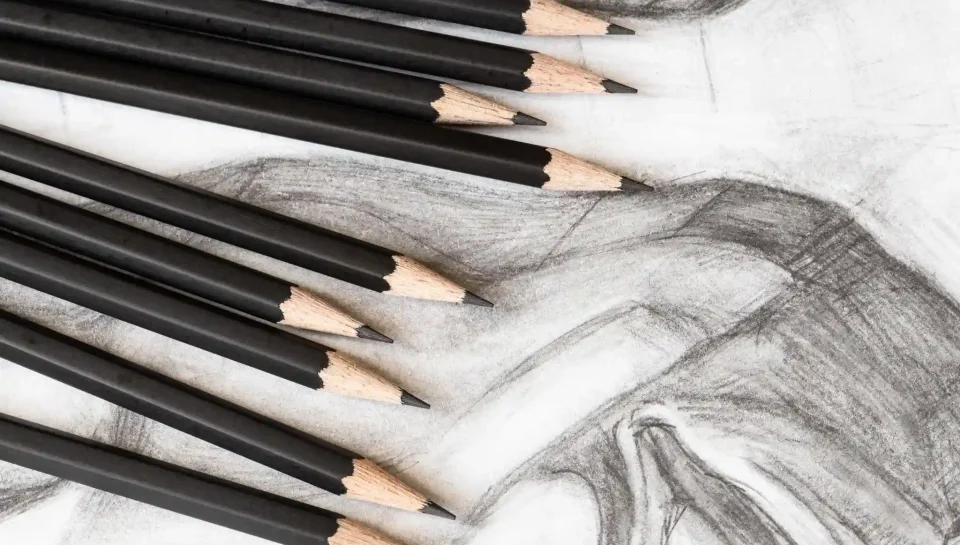
Drawing is one of the most expressive and accessible art forms. It doesn’t require expensive tools or a professional studio, just a pencil, paper, and the willingness to observe the world with curiosity. Whether you’re aiming to become an illustrator, designer, painter, or hobbyist, mastering the basics of sketching gives you the foundation you need to grow as an artist.
This guide will walk you through the essential drawing techniques that help you strengthen your skills from the ground up. Whether you’re a complete beginner or someone returning to drawing after a long break, this article will help you build confidence, sharpen your eye, and create better sketches with intention.
Why Learning Drawing Basics Matters
Every advanced drawing skill, shading, anatomy, perspective, starts from a few fundamental techniques. When you learn these properly, your drawings become clearer, more accurate, and more expressive. Beginners often skip foundational skills, but these early techniques determine how well you can grow as an artist later.
Drawing basics teach you:
- How to observe rather than assume
- How to break complex objects into simple shapes
- How to control line weight
- How to understand light and shadow
- How to build depth through values
- How to improve proportions and accuracy
These skills are universal and apply to every drawing style, whether realistic, cartoon, abstract, or digital.
Start with Observation: Seeing Like an Artist
The first essential technique is not with your hand, it’s with your eyes. Drawing isn’t about copying lines; it’s about understanding what you see.
One of the biggest beginner mistakes is drawing what you think an object looks like. Artists train themselves to slow down and observe details such as angles, negative spaces, shadows, proportions, and shapes.
Try this simple exercise: Pick an object, a cup, a shoe, a plant. Spend one full minute just looking at it. Don’t draw yet. Look at edges, curves, proportions. This small habit can dramatically improve accuracy.
Observation is the root of all good drawing.
Understanding Shapes and Forms
Every object, no matter how complex, can be broken down into simple shapes. Artists use this method to make drawing manageable and consistent.
For example:
- A head can begin as an oval or sphere
- A torso can start with rectangles or cylinders
- A tree can be built from cones and spheres
- Buildings begin with cubes and rectangles
When you learn to break things into basic shapes, you gain control. Complex subjects stop feeling intimidating because you’re no longer trying to draw everything at once.
Start by practicing:
- Circles
- Ovals
- Squares
- Rectangles
- Cubes
- Cylinders
- Cones
- Spheres
These shapes form the skeleton of everything you draw.
Line Quality and Control
Lines are the backbone of every drawing. Beginners tend to press too hard or create stiff, shaky lines. Learning line control helps you create more expressive and confident drawings.
Some exercises include:
1. Ghosting
Move your hand above the paper before drawing the line. This helps you commit to smooth, long strokes.
2. Line Weight Variation
Practice creating lines that start light, become darker, then fade again. This gives your sketches depth and visual interest.
3. Long Continuous Lines
Try drawing long lines without stopping. Confidence comes with practice.
Good line work makes even simple sketches look intentional and professional.
Proportions: Getting the Size and Scale Right
Proportions determine how realistic a drawing looks. Even if your lines are clean, incorrect proportions can make an object appear distorted. The key is learning techniques that help you measure visually.
Comparative Measurement
Hold your pencil at arm’s length and compare sizes. For example, “This part is twice the length of that part.”
Blocking In
Start by sketching rough outlines or big shapes before going into details.
Negative Space
Instead of drawing the object itself, draw the empty space around it. This trains your brain to see true shapes rather than assumptions.
Proportions improve dramatically when you slow down and measure instead of guessing.
Light and Shadow: Building Volume Through Shading
Shading is what transforms a flat drawing into a three-dimensional form. Light creates highlights, mid-tones, shadows, and reflected light. Understanding these elements helps you create believable depth.
Types of shading techniques:
1. Hatching Parallel lines that show tone.
2. Cross-hatching Overlapping hatching lines to darken values.
3. Stippling Using dots to build texture and gradual shading.
4. Blending Using tissue or blending tools to soften tones.
When shading, always think about:
- Where is the light source?
- Where is the darkest shadow?
- Where does the object reflect light?
Start with large shadows before adding small details.
Perspective Basics
Perspective helps you draw objects the way they appear in real life. Without it, drawings can look flat or skewed.
1-Point Perspective
All lines lead to one vanishing point. Useful for hallways, roads, and simple rooms.
2-Point Perspective
Two vanishing points create more complex structures, like buildings or boxes.
3-Point Perspective
Used for dramatic angles, tall buildings seen from above or below.
Perspective is easier than it looks. Once you learn how vanishing points work, drawing environments becomes much more natural.
Gesture Drawing: Capturing Movement and Energy
Gesture drawing is a quick way to capture the essence of a subject. Instead of focusing on details, you express movement, posture, and rhythm.
Artists use gesture drawing to:
- Warm up
- Loosen their hand
- Improve speed
- Capture emotion
- Understand body dynamics
Start with 30-second to 2-minute poses. Draw the flow of the figure instead of the perfect lines. Gesture sketches are not meant to be pretty, they’re meant to train your eye and hand to move together.
Texture and Detail
Texture helps bring life to drawings. Whether you’re drawing hair, fabric, wood, metal, or skin, each material has a unique pattern.
Practice observing textures like:
- Rough vs smooth
- Soft vs sharp
- Shiny vs matte
Draw small studies focusing only on texture. Short, controlled strokes often work better than long ones when building detail.
Using References and Studying Real Life
References are one of the most powerful tools for artists. Many beginners avoid references thinking they should draw from imagination, but every great artist uses them.
You can reference:
- Photos
- Objects around your home
- Outdoor environments
- Famous artworks
- Your own photos
Drawing from life is especially helpful because it teaches you to see subtle details that photos sometimes miss.
Building a Regular Drawing Routine
Drawing improves with consistency, not perfection. Even 10–15 minutes a day builds muscle memory and sharpens observation skills.
Try these habits:
- Keep a sketchbook
- Do warm-up lines
- Draw everyday objects
- Practice shapes repeatedly
- Try new techniques each week
Small, steady practice creates big long-term progress.
FAQs
1. How long does it take to master basic drawing techniques?
Mastering drawing basics varies for each person, but most beginners see real improvement within a few months of consistent practice. Progress depends on observation skills, daily habits, and experimenting with techniques. The more regularly you draw, the faster your confidence and accuracy develop.
2. Do I need expensive tools to learn drawing properly?
Not at all. A simple pencil, sketchbook, and eraser are enough to begin your drawing journey. Expensive materials don’t replace foundational skills. As you improve, you can slowly explore better tools, but the most important element is consistent practice, not costly supplies.
3. Should beginners draw from imagination or use references?
Beginners benefit more from using real-life references because they teach accuracy, proportions, and observation. Drawing from imagination becomes easier once you understand basic structure and forms. Over time, both skills balance each other and make you a more versatile artist.
Conclusion
Mastering essential drawing techniques is the first step toward becoming a confident artist. With strong observation, control of shapes, line quality, shading, proportion, and perspective, your drawings become more expressive and accurate. You don’t need natural talent, just patience, curiosity, and the willingness to practice regularly.
Drawing is a journey. Each sketch teaches you something new. The more you explore, the more your style and creativity unfold. If you stay consistent and enjoy the process, mastery will come naturally.