


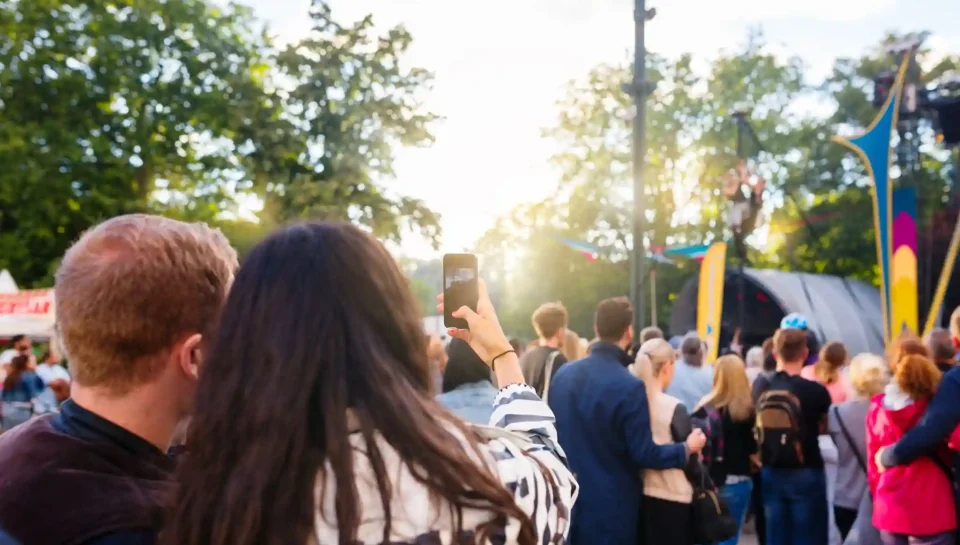
Art festivals have become vibrant gathering spaces where creativity, culture, and imagination collide. They celebrate everything from traditional craftsmanship to contemporary installations, digital art, performance, street art, and international collaborations. Whether you’re an artist, traveler, student, or simply someone who appreciates creativity, global art festivals open doors to new ideas and unforgettable experiences.
Every festival tells a different story. Some highlight cultural heritage, while others focus on experimental art or emerging global voices. Navigating these events can feel overwhelming if you’re new to them, but once you understand how they work, they become inspiring and enriching journeys. This guide helps you explore major art festivals across continents, learn how to prepare, and experience them with confidence and curiosity.
Why Global Art Festivals Matter
Art festivals aren’t just exhibitions; they are cultural ecosystems. They create meeting points for artists, curators, collectors, students, tourists, and creative professionals. Many artists gain international recognition through festival showcases. For travelers, festivals offer a deeper look into local culture and global artistic dialogue.
These events encourage cross-cultural exchange. A single festival may include artists from dozens of countries, each interpreting themes like identity, technology, nature, or community in unique ways. This level of diversity is difficult to experience anywhere else. Art festivals also support tourism, local businesses, and community development, showing how cultural events enrich both people and places.
Understanding the Types of Global Art Festivals
Before navigating festivals, it helps to understand the different formats. Each type offers its own experience, atmosphere, and creative focus.
Fine Art Festivals
These feature paintings, sculptures, installations, and mixed-media works. They are usually held in museums, galleries, and cultural centers. Visitors can expect curated exhibitions, artist talks, and panel discussions.
Contemporary Art Biennales
Biennales are large-scale international exhibitions held every two years. They bring together leading contemporary artists who challenge traditional ideas and explore current social themes. These events often shape global art trends.
Street Art and Public Art Festivals
These festivals transform urban spaces into open-air galleries. Artists paint murals, create installations, and develop community-driven projects. The atmosphere is lively, informal, and often interactive.
Cultural Heritage Festivals
These focus on traditional crafts, folk art, local culture, and regional identity. They’re ideal for learning about historic art forms, rituals, and customs.
Multimedia and Digital Art Festivals
Highlighting animation, projection mapping, VR, AR, and interactive installations, these festivals celebrate innovation and emerging technologies. They attract younger audiences and tech-savvy creatives.
Each type offers a unique way to see art, and exploring different ones helps you discover what inspires you most.
Major Art Festivals Around the World
While countless festivals take place globally, a few stand out for their scale, influence, and creative diversity.
Venice Biennale (Italy)
As one of the most important contemporary art events in the world, the Venice Biennale presents groundbreaking works from global artists. It features national pavilions, large installations, and curated exhibitions exploring social, political, and cultural themes. The festival sets international trends and attracts art professionals from every continent.
Art Basel (Switzerland, Miami, Hong Kong)
Art Basel is a major marketplace for contemporary art. Galleries from around the world showcase high-level artwork, making it the perfect event for collectors and industry insiders. It also offers public talks, film programs, and large-scale installations.
Documenta (Germany)
Held every five years, Documenta focuses on bold and challenging contemporary art. Exhibitions typically explore deep social and political issues, making it one of the most intellectually rigorous events.
Gwangju Biennale (South Korea)
Known for its powerful curatorial themes, the Gwangju Biennale highlights global voices with strong emphasis on Asian contemporary art. It pushes boundaries and invites visitors to rethink global narratives.
Sydney Biennale (Australia)
This festival blends global art with beautiful landscapes, presenting installations in museums, parks, and waterfront locations. It emphasizes experimentation and accessibility.
Sharjah Biennial (UAE)
Sharjah brings together artists from across the Middle East, Africa, and Asia. Its exhibitions explore identity, global relations, and the transforming cultural landscape.
Art Dubai (UAE)
This festival showcases contemporary and modern art from the Middle East, South Asia, and North Africa. It includes workshops, talks, and youth programs.
These festivals reflect the diversity of global creative expression and highlight how interconnected the art world has become.
How to Prepare for a Global Art Festival
Attending an art festival requires planning. The more you prepare, the richer your experience will be.
Start by understanding the festival schedule. Most events release program guides months in advance. These guides include exhibition lists, event timings, artist profiles, and venue maps. Familiarizing yourself with these details helps you prioritize what you want to see.
Next, consider travel logistics. Festivals like Venice Biennale or Art Basel attract huge crowds, so accommodation fills quickly. Booking flights, hotels, or local transport early ensures convenience and affordability. Some festivals offer multi-day passes, guided tours, or VIP access. Choosing the right pass helps you navigate crowds efficiently.
Packing properly also makes a difference. Comfortable shoes are essential since you’ll walk long distances across venues. A notebook, tablet, or phone helps capture ideas and inspiration. Carry water, light snacks, and a small bag to stay comfortable throughout the day.
Navigating the Festival Like a Pro
Once you arrive, the real experience begins. Navigating a global art festival is both exciting and intense because there’s so much to see. Start by visiting the most important venues earlier in the day, when crowds are smaller. Major exhibitions often take longer to explore, so allocating enough time prevents rushing.
Move at a comfortable pace. Festivals aren’t about checking every box but about connecting with artworks that resonate with you. When a piece captures your attention, pause and examine it closely. Read the accompanying text, understand the context, and reflect on the message. Many visitors rush through exhibitions, but slowing down creates a more fulfilling experience.
Talk to artists or gallery representatives whenever possible. Many are present during festivals and appreciate discussing their work. These conversations offer unique insights that enhance your understanding.
If the festival includes workshops, performances, or panel discussions, try attending at least one. They provide deeper perspectives and enrich your festival journey. Some events also offer night programs, outdoor installations, or city-wide tours that bring the festival experience beyond traditional venues.
Cultural Etiquette and Respect
Every country has its own cultural norms. Being respectful enhances your experience and avoids misunderstandings. This includes being mindful of photography rules, not touching artworks, maintaining quiet inside galleries, and being considerate of local customs.
In some countries, dress codes apply inside certain cultural spaces. In others, it’s common to greet artists or curators formally. Festivals also attract diverse audiences, so following general etiquette, like taking turns, avoiding blocking artworks, and being polite during discussions, keeps the experience enjoyable for everyone.
Making the Most of Your Festival Experience
Global art festivals offer endless inspiration. To get the most from them, stay open-minded. Some artworks may be challenging or unfamiliar, but part of the joy of global art is seeing perspectives different from your own. Keep your curiosity alive and approach everything with patience.
Take breaks when needed. Festivals can be visually and mentally overwhelming, especially large-scale events with hundreds of works. Refreshing your mind helps you appreciate the next exhibition more fully.
Photographing your favorite works is helpful, but don’t rely on the camera alone. Spend time truly looking. The emotional impact of art comes from presence and attention, not from collecting images. Finally, connect with others. Festivals attract art lovers from around the world, and conversations can spark inspiration, new friendships, or creative ideas.
FAQs
1. How can beginners prepare for their first global art festival?
Beginners should start by reading the event program early, identifying key exhibitions, and planning simple daily itineraries. Comfortable clothing, water, and a small notebook also help. It’s best to approach the festival with curiosity rather than pressure, explore slowly, ask questions, and allow yourself to enjoy the experience without feeling rushed.
2. Are global art festivals suitable for travelers who aren’t art experts?
Absolutely. Most festivals are designed for all audiences, not just industry professionals. They often include beginner-friendly tours, interactive installations, workshops, and clear descriptions that help visitors understand the artworks. You don’t need deep art knowledge to enjoy the creativity, global perspectives, and cultural experiences these festivals offer.
3. What should travelers keep in mind when visiting art festivals abroad?
Travelers should consider local customs, venue rules, daily schedules, and transportation routes. Preparing early helps avoid confusion, especially in large cities. Respecting cultural etiquette, knowing photography policies, staying hydrated, and pacing your visit all contribute to a smoother experience. Being patient and open-minded enhances the entire journey.
Conclusion
Attending a global art festival is more than a trip, it’s an opportunity to explore creativity, culture, and community on an international scale. These events expose you to new ideas, diverse perspectives, and artistic expressions that broaden your understanding of the world. Each festival offers its own energy, history, and artistic voice, making every visit uniquely inspiring.
With thoughtful preparation and an open mindset, anyone can navigate these festivals confidently. Whether you’re a passionate artist or a curious traveler, global art festivals offer experiences that stay with you long after they end. They encourage reflection, spark imagination, and connect people through the universal language of creativity.